The Thrill of Risk Taking
Casino players are often driven by an innate desire for excitement and risk. The adrenaline rush that comes from placing a bet can be intoxicating, leading individuals to make decisions they might not normally consider in everyday life. This thrill-seeking behavior is deeply rooted in psychological traits such as impulsivity and sensation-seeking, where individuals are motivated by the potential for a significant payout. In the realm of gambling, players may even explore new crypto casinos to enhance their experience and take advantage of innovative betting options.
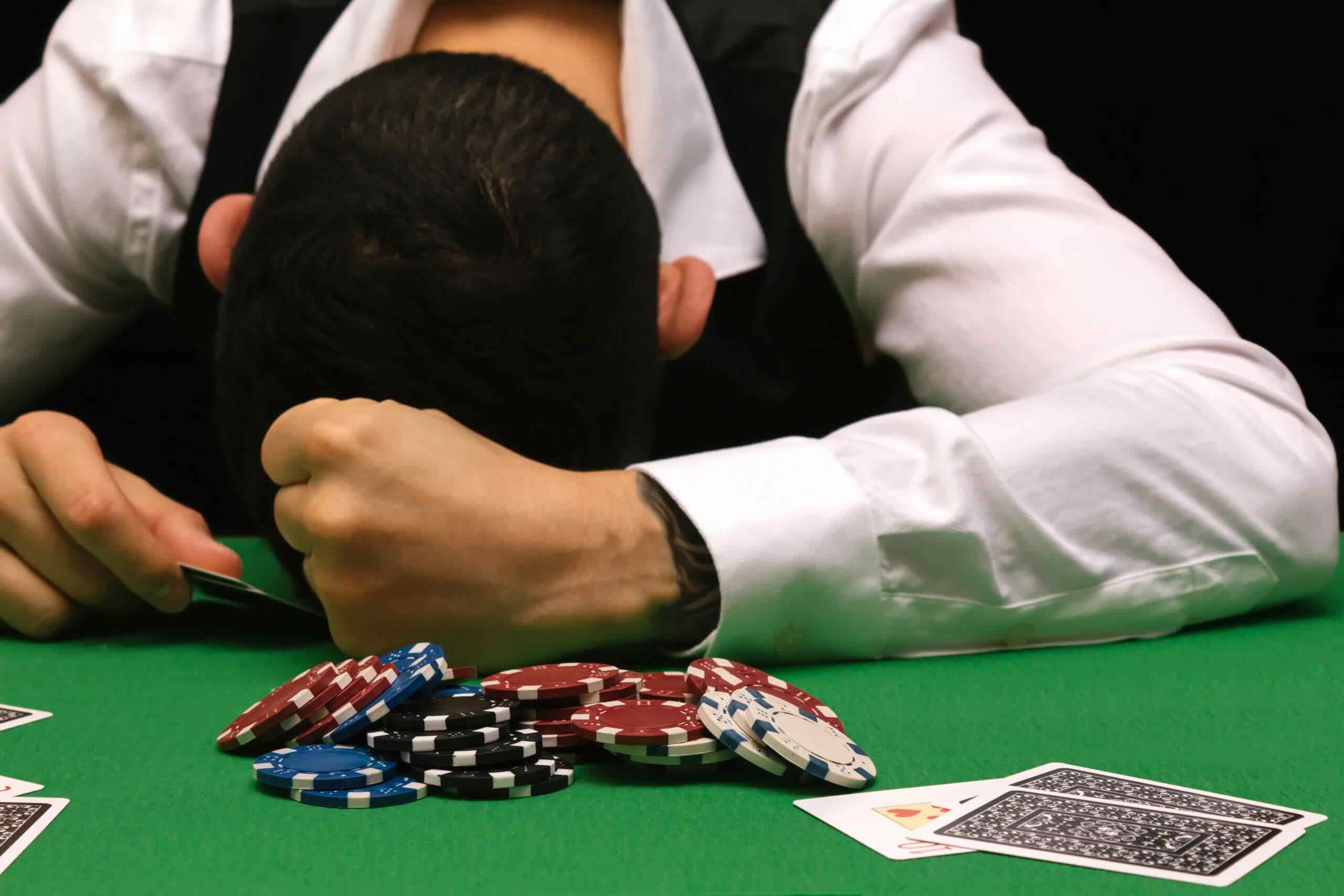
This risk-taking mentality is further amplified by the environment of the casino itself. With vibrant lights, engaging sounds, and the potential for large wins, players often find themselves caught up in the moment, leading to decisions fueled by emotion rather than logic. This results in a unique mix of hope and fear that shapes their betting strategies and overall gaming experience.
The Influence of Cognitive Biases
Cognitive biases play a significant role in the decision-making processes of casino players. One common bias is the illusion of control, where players believe they can influence the outcome of a game through their actions or strategies. This misconception can lead to overconfidence, prompting individuals to make bets that are not statistically advantageous.
Additionally, the gambler’s fallacy often comes into play, where players assume that past outcomes will influence future results. For instance, after a string of losses, a player might believe they are “due” for a win, encouraging them to continue betting despite the odds. These biases demonstrate how psychology can distort rational thinking in high-stakes environments like casinos.
The Role of Social Factors
Social interactions are another critical component of the casino experience. Many players are motivated by the camaraderie found in gaming environments, which can create an atmosphere of shared excitement. The social reinforcement from peers can lead to increased betting, as players may feel encouraged to participate in activities they might shy away from when alone.
Moreover, the presence of others often heightens the emotional stakes of gambling, making wins feel more significant and losses more painful. The social aspect of casinos can also enhance loyalty to specific games or venues, where players develop a sense of belonging that influences their decision-making when gambling.
The Impact of Marketing Strategies
Marketing strategies employed by casinos are designed to capitalize on the psychological tendencies of players. Techniques such as loyalty programs, free bonuses, and promotional events lure players into spending more time and money. These strategies often prey on the psychological principles of loss aversion, where the fear of missing out on potential gains can push players to gamble more than they initially planned.
Additionally, the branding and positioning of casinos play a crucial role in shaping player perceptions. By creating an image of exclusivity and luxury, casinos can evoke feelings of sophistication and status among players, further driving the desire to engage in gambling activities. This combination of marketing tactics creates an environment that nurtures impulsive and emotional decision-making.

Homewings and the Experience of Design
While the focus of this article is on the psychology of casino players, it is essential to note how similar principles of user engagement and emotional appeal apply across various industries, including home design and décor. Homewings aims to enhance user experience through a seamless platform that inspires creativity. Just as casinos engage players through strategic design and emotional triggers, Homewings seeks to create a rich environment for home improvement projects.
The psychology behind user interaction in both arenas illustrates the importance of experience in decision-making. Just as players navigate the thrill of chance, individuals exploring home design are influenced by aesthetics, functionality, and emotional responses to their surroundings, showcasing the wide-reaching implications of psychological principles in consumer behavior.
